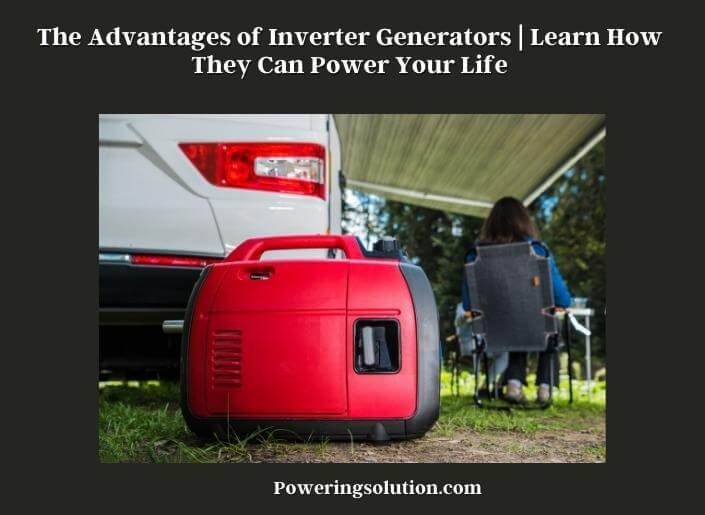
For decades, the rumble and sputter of a portable generator signaled power — but often, it came with compromises. Noise, inefficiency, and a power output too unstable for delicate electronics were the norm. Today, a quieter revolution is underway, ushering in a new era of portable electricity: the inverter generator. If you've ever wondered how these sophisticated powerhouses deliver such clean, quiet, and efficient energy, you're in the right place. This comprehensive guide to Understanding Inverter Generators: How They Work and Their Advantages will illuminate the technology, benefits, and practical applications that make them a standout choice for modern power needs.
Gone are the days when backup power meant risking your sensitive gear or enduring a cacophony. Inverter generators are changing the game, providing a refined power solution that's as versatile as it is reliable.
At a Glance: What You'll Learn About Inverter Generators
- How They Work: A unique three-stage conversion process creates ultra-stable, "pure sine wave" electricity.
- Key Advantages: Quieter operation, superior fuel efficiency, clean power for sensitive electronics, and often lighter designs.
- Why They Matter: Perfect for RVs, camping, home backup, job sites, and even powering sophisticated off-grid systems.
- Beyond Fuel: The emergence of battery-based inverter systems offers silent, emission-free power.
- Making the Choice: Practical advice on selecting the right inverter generator for your needs.
More Than Just a Generator: The Inverter Difference
At its core, a generator's job is to convert mechanical energy into electrical energy. Traditional generators do this fairly directly: an engine spins an alternator, and the resulting alternating current (AC) power goes straight to your outlets. The frequency and voltage of this power are tied directly to how fast the engine is spinning. If the engine RPM fluctuates (which it always does under varying loads), so does your power quality.
This is where inverter generators diverge dramatically. Instead of a direct conversion, they employ a clever, multi-stage electronic process that refines raw power into an incredibly stable, high-quality output. Think of it less as a brute-force power producer and more as a sophisticated power conditioner.
The Three-Stage Transformation: From Raw Power to Refined Energy
The magic of an inverter generator lies in its unique three-step power conversion process. This digital reconstruction of electricity is what sets it apart, allowing it to deliver power far superior to its traditional counterparts.
- Generating Raw AC: It all starts much like a traditional generator. A small combustion engine (typically gasoline-powered, though some run on propane or even diesel) or a battery pack spins an alternator. This initial step produces raw AC electricity. Critically, this raw AC can have variable frequency and voltage, depending on the engine's speed and load. Unlike traditional generators, this raw output isn't intended for direct use.
- Converting AC to DC: Next, this raw, variable AC power is sent through a rectifier circuit. The rectifier’s job is to convert the alternating current into direct current (DC) power. This step effectively "smoothes out" the rough edges and fluctuations from the raw AC, creating a more consistent power signal that's easier for the next stage to manage.
- Inverting DC to Stable AC: This is the crucial stage, the namesake of the "inverter" generator. The DC power is then fed into an advanced inverter module, which uses microprocessors and sophisticated electronics. These components monitor the power demand from your connected devices and digitally reconstruct the DC power back into a precise, "pure sine wave" AC output. This pure sine wave mimics grid power almost perfectly, delivering a consistent voltage and frequency (e.g., 120V at 60Hz) with minimal distortion, regardless of how fast the engine is running or how much load is being drawn.
This multi-stage process results in power with very low Total Harmonic Distortion (THD) — typically less than 3%. Why does this matter? Because a low THD means your delicate electronics, from laptops and cell phones to medical devices and sensitive appliances, are safe from the voltage spikes and drops that can damage or degrade them.
Why Inverter Generators Are a Cut Above: The Advantage Playbook
Understanding the internal workings helps explain why inverter generators have earned such a stellar reputation. Their advanced technology translates directly into a suite of tangible benefits that elevate them far beyond the capabilities of traditional generators.
1. Clean, Stable Power: Protecting Your Precious Tech
This is arguably the most significant advantage. As discussed, the digital reconstruction process ensures an extremely low THD.
Traditional generators can have THD levels ranging from 15-25% or even higher, which introduces electrical "noise" and irregular voltage fluctuations. This unstable power can be detrimental to sensitive electronics, potentially causing malfunctions, reducing their lifespan, or even frying components.
In contrast, an inverter generator delivers pure sine wave power, virtually identical to the electricity you get from your utility grid. This clean output is vital for:
- Modern Electronics: Laptops, smartphones, tablets, TVs, gaming consoles.
- Sensitive Appliances: Refrigerators with digital controls, microwaves, coffee makers.
- Medical Devices: CPAP machines, oxygen concentrators.
- Power Tools with Variable Speed Controls: Ensuring consistent performance and protecting their internal electronics.
With an inverter generator, you can plug in with confidence, knowing your devices are receiving the high-quality power they need to operate safely and efficiently. If you're weighing your options, our power inverter vs. generator guide can offer deeper insights into how different systems deliver power.
2. Whisper-Quiet Operation: More Peace, Less Noise
One of the first things you'll notice about an inverter generator is how quiet it is. Traditional generators often run at a constant, high RPM, producing a loud, droning noise. Inverter generators, however, utilize "eco-throttle" or load-sensing technology.
This means the engine's speed automatically adjusts to match the demand for power. If you're only running a few lights or charging a phone, the engine idles at a low RPM, sipping fuel and producing minimal noise. When you connect a power tool or an appliance, the engine revs up only as much as needed to meet that demand.
Combined with sophisticated sound-dampening enclosures, advanced mufflers, and anti-vibration mounts, inverter generators typically operate in the 52–65 dB range. To put that in perspective:
- 50 dB: A quiet refrigerator
- 60 dB: Normal conversation
- 70 dB: A vacuum cleaner
This makes them ideal for environments where noise is a concern, such as campgrounds, RV parks, tailgating events, or residential areas during a power outage.
3. Fuel Efficiency: Saving You Money and Trips to the Pump
The same eco-throttle technology that makes inverter generators quiet also makes them incredibly fuel-efficient. Because the engine isn't constantly running at full throttle, it consumes significantly less fuel, especially under light loads.
This translates to:
- Longer Runtimes: You get more hours of power from a single tank of gas.
- Lower Operational Costs: Less money spent on fuel over the generator's lifespan.
- Reduced Emissions: A smaller environmental footprint.
This efficiency is a major draw for anyone planning extended use, whether for camping trips, off-grid living, or long power outages. Curious about extending your generator's life? You might find our generator maintenance tips useful for getting the most out of your unit.
4. Unmatched Portability: Power On the Go
Inverter generators are generally designed to be more compact and lightweight than traditional generators of comparable power output. Their innovative design often incorporates smaller engines and more integrated components.
Many models feature ergonomic handles, wheel kits, and smaller footprints, making them much easier to transport, load into a vehicle, or carry around a campsite or job site. This focus on portability makes them incredibly versatile for a wide range of mobile applications.
5. Expand Your Horizons: Parallel Capability
Need more power but don't want to invest in a single, larger, heavier generator? Many inverter generator models offer parallel capability. This feature allows you to link two identical (or sometimes specifically compatible) inverter generators together using a special parallel kit.
By connecting two units, you can effectively double your power output. This is a fantastic option for:
- Scalability: Start with one smaller, more portable unit, then add a second if your power needs grow.
- Flexibility: Use one unit for lighter loads and both for heavier demands.
- Redundancy: If one unit has an issue, you still have the other for essential power.
It's a smart way to get robust power without sacrificing portability.
6. Eco-Conscious Choice: Smarter for the Planet
Thanks to their enhanced fuel efficiency and advanced engine designs, many inverter generators produce lower emissions compared to traditional models. This improved environmental performance helps them meet stricter emissions standards, such as those set by the Environmental Protection Agency (EPA) and the California Air Resources Board (CARB).
For users who are mindful of their carbon footprint, an inverter generator represents a more responsible choice for portable power. For those seeking even greener solutions, consider checking out the benefits of solar generators.
7. Handling the Surge: Stable Power During Sudden Load Changes
Starting large appliances like air conditioners, refrigerators, or power tools often requires a brief burst of significantly higher power, known as "starting watts" or "surge power." Traditional generators can struggle with these sudden load changes, leading to noticeable dips in voltage or frequency that can stress connected devices.
Inverter generators, with their microprocessor controls, are far more adept at managing these fluctuations. They can respond almost instantly to power surges, ensuring that the voltage and frequency remain stable, protecting your appliances and tools from potential damage and ensuring consistent operation. This rapid response capability is a hallmark of their sophisticated design.
Beyond Fuel: The Rise of Battery Inverter Systems
While many inverter generators rely on gasoline engines, a new class of powerful, silent, and emission-free solutions is emerging: battery-based inverter systems. These devices combine a large capacity battery bank with a powerful inverter, offering grid-like power without any noise or fumes.
Take the Anker SOLIX F3800 Plus + Expansion Battery, for example. This system is a prime illustration of how battery technology is redefining portable and home backup power:
- Massive AC Output: With a 6,000W AC output, it's capable of running an entire home's essential appliances during an outage, from refrigerators and microwaves to even larger loads like electric dryers.
- Expandable Capacity: Its base capacity of 3.84kWh can be dramatically expanded up to 26.88kWh with additional batteries, providing days or even weeks of power depending on usage.
- Versatile Input: It supports up to 2,400W solar charging, allowing you to replenish its power using clean energy from the sun, and 1,800W AC charging for quick recharges from a wall outlet.
- Seamless UPS Function: As a Uninterruptible Power Supply (UPS), it automatically switches to battery power within milliseconds during a blackout, ensuring continuous electricity for sensitive devices like computers and medical equipment.
- Smart Control: The accompanying app provides real-time monitoring of power usage, battery status, and allows you to adjust settings via Bluetooth or Wi-Fi, giving you complete control from your smartphone.
- Long-Lasting Batteries: Utilizing high-performance Lithium Iron Phosphate (LFP) batteries, the Anker SOLIX F3800 boasts a 10-year lifespan, ensuring reliability for years to come.
These battery-based inverter systems offer a truly silent, zero-emission alternative for clean power, merging the "clean power" aspect of an inverter with the sustainability of renewable energy or quiet home backup.
Real-World Power: Where Inverter Generators Shine
The distinct advantages of inverter generators make them the preferred choice for a multitude of applications where traditional generators simply fall short.
- Home Backup Power: During blackouts, an inverter generator can power essential home services like refrigerators, lights, internet routers, and even small window AC units. Systems with UPS capability, like the Anker SOLIX F3800, provide uninterrupted power for sensitive electronics, preventing data loss or disruptions to critical medical devices.
- RVing and Camping: This is a classic use case. Their quiet operation ensures you don't disturb your neighbors or the serene sounds of nature. They can comfortably power RV appliances, mobile devices, cooking equipment, and entertainment systems without the deafening roar of a traditional generator. For those living the RV life, exploring different RV power solutions is key.
- Construction or Trade Workers: On job sites where grid power isn't available, inverter generators provide the clean, steady electricity needed for power tools, lighting, and charging stations. The stable voltage protects expensive equipment, while the lower noise contributes to a safer and less disruptive work environment.
- Off-Grid Living and Solar Integration: Battery inverter generators are particularly well-suited for off-grid homes or cabins integrated with solar panel systems. They can act as a reliable backup or primary power source, offering grid-like dependability for everyday needs, especially when solar input is low.
- Outdoor Events: Whether it's a backyard party, a tailgate, or a small concert, inverter generators can power speakers, projectors, food warmers, lighting, and other equipment. Their quiet operation ensures the event's atmosphere remains enjoyable, and stable voltage protects sensitive audio-visual gear.
Choosing Your Ideal Inverter Generator: What to Consider
With the clear benefits and diverse applications, deciding on an inverter generator becomes a matter of matching its capabilities to your specific needs. Here's what to keep in mind:
1. Power Requirements: How Many Watts Do You Need?
This is the most critical factor. Make a list of all the appliances and devices you plan to power simultaneously. For each item, note its "running watts" (continuous power needed) and its "starting watts" (the brief surge of power some motors need to start).
- Running Watts: Sum the running watts of all devices you'll use at once.
- Starting Watts: Identify the single item with the highest starting watts.
- Generator Size: Your generator should have a running watt capacity that exceeds your total running watts, and a starting watt capacity that exceeds your single highest starting watt appliance.
- Tip: It's always better to slightly overestimate than underestimate.
2. Fuel Type: Gasoline, Propane, or Battery?
- Gasoline: Most common, widely available. Good energy density.
- Propane (Dual Fuel): Longer shelf life, cleaner burning (less carbon buildup), but usually lower power output for the same engine size. Some models offer dual-fuel capability, running on both.
- Battery: Zero emissions, silent, ideal for indoor use or sensitive environments. Requires charging. Best for specific needs like UPS backup or solar integration.
3. Noise Level: How Quiet is Quiet Enough?
Look for the decibel (dB) rating. Lower numbers mean quieter operation. Consider where you'll be using it. For campgrounds, under 60 dB is generally preferred.
4. Portability: Size and Weight
If you plan to move it frequently, prioritize lighter models with integrated handles, and possibly wheels. Check the physical dimensions to ensure it fits in your vehicle or storage space.
5. Runtime: How Long Will it Last?
Check the "runtime at 25% load" specification. This tells you how many hours the generator can run on a full tank of fuel when powering light loads. This is a good indicator of overall efficiency and how long you can expect it to run during an outage.
6. Outlets and Features: Connecting Your Devices
- Standard 120V AC outlets: For typical household appliances.
- USB ports: For charging phones and tablets.
- 12V DC outlet: For automotive accessories.
- 240V Twist-Lock/RV outlets: For larger loads or RVs.
- Parallel capability: If you anticipate needing more power in the future.
- Electric start: A push-button start for convenience.
- Fuel gauge/hour meter: Useful for monitoring.
Remember, buying a generator is an investment in your power security and convenience. Thinking through these points will help you choose the right model. For more general advice on making smart power decisions, you might also find resources on how to choose the right portable power solution helpful.
Common Questions About Inverter Generators
It's natural to have questions when considering a significant purchase like an inverter generator. Here are answers to some frequently asked ones:
Q: Are inverter generators worth the extra cost?
A: For most users, yes. While they often have a higher upfront cost than traditional generators, their benefits — clean power, quiet operation, fuel efficiency, and portability — often justify the investment, especially when protecting sensitive electronics or operating in noise-sensitive environments. The long-term fuel savings can also offset the initial price difference.
Q: Can I use an inverter generator indoors?
A: Absolutely NOT if it's a gasoline or propane-powered generator. Like all combustion engine generators, they produce dangerous carbon monoxide (CO) fumes, which are odorless and deadly. Always operate fuel-powered generators outdoors in a well-ventilated area, far away from windows and doors. Battery-based inverter systems, however, produce no fumes and are safe for indoor use.
Q: How do I maintain an inverter generator?
A: Regular maintenance is key to longevity. This includes checking and changing the oil, cleaning or replacing the air filter, checking the spark plug, and properly storing it when not in use (e.g., draining fuel or using a fuel stabilizer). Always consult your owner's manual for specific maintenance schedules and instructions.
Q: Can I run an RV air conditioner with an inverter generator?
A: Yes, many larger inverter generators (typically 2,500 watts and up) are capable of running RV air conditioners. You'll need to check the starting and running wattage requirements of your specific AC unit and match it to the generator's output. Parallel capability can also help meet higher AC demands.
Q: What's the difference between "pure sine wave" and "modified sine wave" inverters?
A: Inverter generators produce a "pure sine wave," which is a smooth, consistent electrical waveform identical to grid power. This is ideal for all electronics. "Modified sine wave" inverters, often found in less expensive standalone power inverters, produce a stepped waveform that's less refined. While suitable for simple devices, modified sine wave power can harm sensitive electronics, cause motors to run hotter, or introduce hum in audio equipment. Inverter generators always deliver pure sine wave.
Powering Your World, Intelligently and Responsibly
From the quiet hum on a serene campsite to the life-saving reliability during a power outage, inverter generators have cemented their place as an indispensable tool for modern living. Their ability to deliver clean, stable power, combined with their efficiency and low noise, makes them a superior choice for protecting your investments and enhancing your quality of life.
Whether you opt for a traditional gasoline-powered inverter for ultimate portability and fuel versatility, or embrace the silent, emission-free future with a powerful battery-based inverter system like the Anker SOLIX F3800, you're choosing a smarter way to generate power. By understanding how these remarkable machines work and appreciating their myriad advantages, you're empowered to make informed decisions that ensure your world stays powered, no matter where life takes you.