In a world where reliable power is non-negotiable, knowing your backup options is crucial. Whether you're planning an off-grid adventure, preparing for unexpected outages, or simply seeking portable power for your tools, the choice often comes down to two primary contenders: a power inverter or a traditional generator. Both serve the fundamental purpose of providing electricity when the grid can't, but they do so in vastly different ways, each with its own set of advantages and limitations.
This super pillar hub is designed to cut through the jargon, giving you a clear, human-first understanding of these essential power solutions. We'll explore their inner workings, compare their performance across key metrics, and help you pinpoint the ideal choice for your specific needs. Get ready to power up your knowledge and make an informed decision for reliable energy.
Understanding the Core: How They Create Power
Before diving into comparisons, let's establish what each device fundamentally is and how it operates. This foundational knowledge will demystify their roles in your power strategy.
The Power Inverter: Silent, Efficient DC-to-AC Conversion
A power inverter is essentially an electronic device that takes direct current (DC) power from a source like a battery or solar panel and transforms it into alternating current (AC) electricity. This AC power is what most of our everyday appliances, from laptops to refrigerators, require. Inverters are compact, often used in vehicles, RVs, solar power setups, and uninterruptible power supply (UPS) systems. They don't generate electricity themselves but convert existing stored energy.
The Traditional Generator: Roaring, Fuel-Powered Electricity
Conversely, a generator is a machine that actively produces AC electricity by converting mechanical energy into electrical energy. It accomplishes this by burning fuel—typically gasoline, diesel, or propane—to power an internal combustion engine. This engine then spins an alternator, which generates the electrical current. Generators are standalone power plants, designed to create electricity from scratch, making them a go-to for situations requiring substantial, long-duration power. For a deeper dive into these workhorses, you can Learn about traditional generators.
Head-to-Head: Dissecting the Key Differences
The real decision-making begins when we scrutinize how power inverters and generators stack up against each other across critical factors. From the type of power they deliver to their environmental footprint, the distinctions are significant. To get a comprehensive overview, you can Compare Inverter vs. Generator Inverter vs..
Power Output and Quality: Clean vs. Raw Power
One of the most critical differentiators lies in the power they provide.
- Inverters typically offer lower power output, limited by the battery capacity and circuit design. They are perfect for smaller appliances like phones, laptops, lights, or portable refrigerators. Crucially, they produce a stable, clean "pure sine wave" AC power, which is vital for sensitive electronics, preventing damage and ensuring smooth operation.
- Generators excel at producing substantial power for extended periods. They can run large appliances, power tools, refrigerators, air conditioners, and multiple items simultaneously. However, the power they generate can be less stable due to fluctuations in engine speed, often referred to as a "modified sine wave" or "square wave," which isn't ideal for delicate electronics.
Efficiency and Noise: Quiet Conservation vs. Fuel-Burning Might
When it comes to how efficiently they use energy and the auditory impact they have, the contrast is stark.
- Inverters are remarkably efficient, converting 80% to 95% of DC power into usable AC. This means less energy waste and longer run times from your battery bank. They are also incredibly quiet, operating at a gentle hum (30-50 decibels), comparable to a quiet room. This makes them ideal for indoor use, camping, or RVs where peace and quiet are paramount.
- Generators are less efficient, with typical conversion rates ranging from 60% to 80%. A significant amount of energy is lost as heat, meaning more fuel is consumed for the same output. They are also notoriously noisy, often operating at 50-90 decibels, which can be quite disruptive in quiet environments or residential areas.
Portability and Environmental Impact: Light & Green vs. Heavy & Emitting
Consider where and how you'll use your power source, as this affects portability and environmental considerations.
- Inverters are designed to be compact and lightweight, often small enough to fit in a backpack or car trunk. Their reliance on battery power means minimal to zero emissions, no fumes, and no noise pollution. They represent a more sustainable and environmentally friendly choice, especially when paired with solar charging.
- Generators are considerably larger and heavier, often weighing between 40 to over 90 pounds. This makes frequent relocation less convenient. More importantly, generators burn fossil fuels, contributing to air pollution with harmful emissions and carbon monoxide. They also produce unpleasant exhaust fumes and require careful handling of flammable fuels.
Maintenance and Safety: Low-Hassle vs. High-Vigilance
Upkeep and safety are critical considerations for any power solution.
- Inverters are generally low-maintenance. Regular checks of connections, keeping them clean, and ensuring proper ventilation are usually all that's needed. Their lack of emissions means they are safe for indoor use (in tents, RVs, cabins, apartments) and come with built-in protection systems like Battery Management Systems (BMS), overload protection, and temperature sensors.
- Generators demand regular maintenance, including oil changes, spark plug replacements, air filter cleaning, carburetor cleaning, and battery checks. Safety is a major concern due to carbon monoxide buildup, the need for careful fuel handling, and hot surfaces. They require ample ventilation and diligent management to prevent hazards.
Understanding the Costs: Initial Outlay vs. Long-Term Investment
The financial aspect goes beyond the purchase price, encompassing operational costs and maintenance over time. For a granular breakdown, explore Cost, Fuel Efficiency, and Maintenance.
- Inverters typically have a lower initial cost, ranging from a few hundred to about $1,500 for standalone units. Their operational costs are also lower, as charging batteries is generally cheaper than buying fuel. While integrated battery systems might have a higher upfront cost, their long-term efficiency often translates to savings.
- Generators can have a higher initial purchase price, from $300 to over $2,000, particularly for more powerful models. They incur ongoing operational costs due to continuous fuel consumption and the necessity of regular, sometimes costly, maintenance.
Making Your Smart Choice: Aligning Power with Purpose
The best power solution isn't universally one or the other; it's the one that perfectly aligns with your specific needs. Understanding your power requirements, budget, desired portability, environmental considerations, and tolerance for noise will guide your decision. For tailored guidance, you'll want to review Choosing the Right Power Source.
- Choose a Power Inverter if:
- You need power for sensitive electronics (laptops, medical devices).
- Quiet operation is a priority (camping, RVs, indoor use).
- You prioritize portability and low emissions.
- Your power needs are smaller to medium-scale (lights, charging devices, small appliances).
- You seek low maintenance and high efficiency.
- Choose a Generator if:
- You require substantial power for heavy-duty appliances and tools (construction sites, whole-house backup).
- Long run times without frequent refueling are essential.
- Noise and emissions are less of a concern for your application.
- The upfront cost for high power output is acceptable, along with ongoing fuel and maintenance costs.
The Hybrid Solution: Inverter Generators
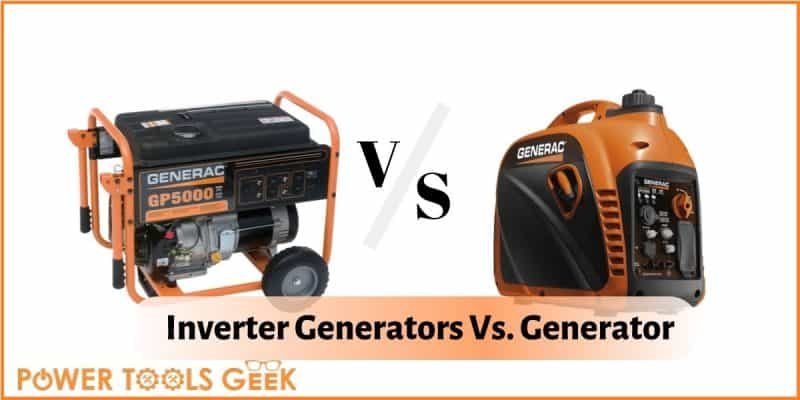
It's also worth noting the rise of inverter generators, which combine the best features of both technologies. These devices use an engine to produce AC power, but unlike traditional generators, they convert that raw AC power to DC, then back to clean, pure sine wave AC power, similar to a standard inverter. This process results in a quieter, more fuel-efficient, and electronics-safe power source than traditional generators, bridging the gap between the two. For those interested in this advanced option, you can Learn about inverter generators Understanding inverter.
Powering Forward with Confidence
Choosing between a power inverter and a generator is a fundamental decision that impacts your comfort, convenience, and safety. By carefully weighing their unique characteristics against your individual requirements, you can make an informed choice that ensures you have reliable power precisely when and where you need it. Embrace the future with the right power solution in hand, ready for any adventure or challenge that comes your way.